Mushroom Coffee Explained: Caffeine, Benefits & Is It Better?
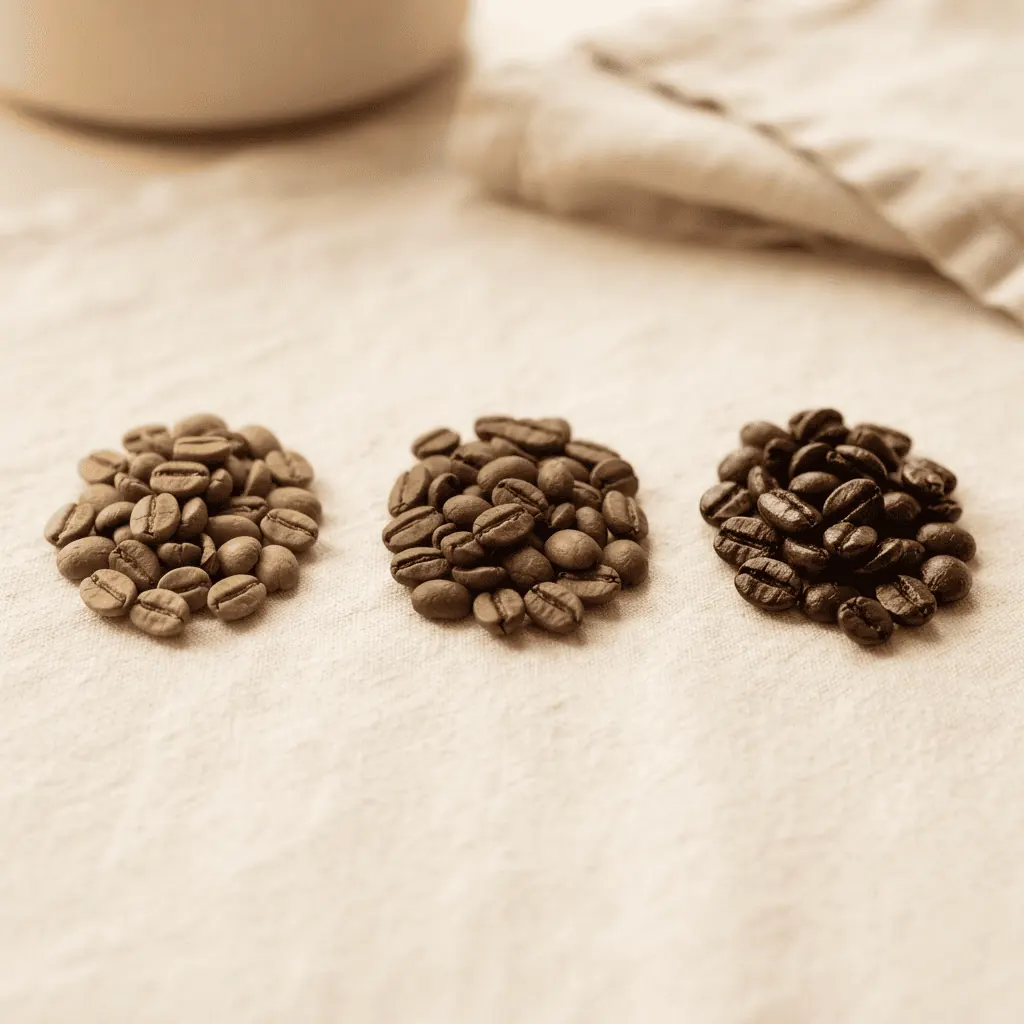
Mushroom coffee is one of the loudest functional-coffee searches of 2026: lion’s mane focus, reishi calm, “no jitters.” It is not coffee brewed from culinary mushrooms. It is typically instant or ground coffee mixed with powdered extracts of “functional” fungi. Whether it is “better” than coffee depends on why you drink coffee — flavor, caffeine, or supplement marketing.
What mushroom coffee is (and is not)
Commercial mushroom coffee is a blend. Brands mix Arabica (sometimes instant) with extracts of lion’s mane, cordyceps, reishi, chaga, turkey tail, or king trumpet. You are not eating a portobello. The mushrooms are grown, extracted (hot water and/or alcohol), dried, and dosed in milligrams to grams per serving. Instant mixes taste more “mushroom-earthy.” Ground blends with a higher coffee percentage taste closer to normal drip.
- Lion’s mane: marketed for focus and cognition.
- Reishi: marketed for calm and “adaptogen” stress support.
- Cordyceps: marketed for energy and workouts.
- Chaga: marketed for antioxidants.
- Turkey tail: marketed for immune support.
Pro tip: Those marketing jobs are based mostly on isolated mushroom studies, often in animals or small human trials of extracts — not on your specific 5 g instant packet. Dose on the tin is the only number that matters, and many tins are shy about milligrams of extract vs mycelium filler.
Caffeine: the one clear difference
Mushroom powder has no caffeine. If a serving is half coffee and half mushroom, caffeine drops roughly in half. Many popular instant mushroom coffees land around 40–60 mg per cup versus ~95 mg in 8 oz drip or ~150 mg in a large mug. Some people sleep better or feel less anxious after switching — clinicians quoted in mainstream explainers usually attribute that to less caffeine, not magic fungi. Always read the label: a “mushroom coffee” that is mostly coffee will still hit hard.
Typical caffeine, not a lab test of every brand.
| Drink (8–10 oz-ish) | Approx caffeine |
|---|---|
| Brewed coffee | 90–150 mg |
| Espresso, 1 shot | ~63 mg |
| Common instant mushroom coffee | 40–60 mg |
| Decaf coffee | 2–15 mg |
Is mushroom coffee better for you?
Honest answer: it is not clearly better than coffee as a health food. Harvard and UCLA explainers note potential mushroom benefits (immune activity, antioxidants in fungi generally) but stress that processing into a coffee mix may not preserve those compounds, and clinical trials on mushroom coffee as a product are thin. Regular coffee already has a large observational evidence base at moderate intake. Mushroom coffee’s unique, proven advantage for most drinkers is a gentler caffeine load — useful if regular coffee wrecks sleep or jitters.
Taste and how to brew it
Expect nutty, earthy, slightly cocoa or woody notes. Instant sticks are convenient and taste least like specialty coffee. Ground blends can go in a dripper or French press; use your normal ratio as a start, then expect a little less intensity because part of the bed is not coffee. Do not pay specialty-bean prices and then bury a delicate washed Ethiopian under a heavy reishi mix — use a chocolatey medium roast if you DIY a blend.
- 1Check caffeine mg per serving on the package.
- 2If instant: 200–250 ml hot water, stir, wait 20 seconds so grit settles.
- 3If ground: brew like drip at 1:16 and taste; add a gram or two of coffee if it is thin.
- 4Judge after a week of sleep and jitters, not after one Instagram cup.
Safety, cost, and who should skip it
- Generally treated as food-safe for healthy adults in moderation — still talk to a clinician if you are pregnant, on immunosuppressants, anticoagulants, or have mushroom allergies.
- Quality varies: look for extract ratios, fruiting-body vs mycelium-on-grain, and third-party testing if you care.
- It is usually more expensive per caffeine milligram than decent beans.
- GI upset happens; stop if you get cramps or rashes.
DIY vs branded packets
You can stir a measured lion’s mane extract into coffee you already like. That separates “I want less caffeine” (just drink smaller coffee or half-caf) from “I want this extract.” Combining them in a proprietary blend makes it hard to know what you paid for. If your only goal is fewer jitters, half-caf or a smaller mug is cheaper and better studied than a $2 sachet.
How to read a mushroom coffee label
- Caffeine mg per serving — the number that actually predicts jitters and sleep.
- Extract vs “mycelium on grain”: grain filler can pad the bag with starch.
- Fruiting body vs mycelium claims: marketing loves fruiting body; dose still has to be listed.
- Other extras: collagen, probiotics, herbs. More ingredients means more ways to get an upset stomach.
- Third-party testing if you are paying premium prices.
Mushroom coffee vs half-caf vs decaf
Pick the tool that matches the job.
| If you want… | Usually cheaper/clearer option |
|---|---|
| Less caffeine, same coffee taste | Half-caf or smaller mug of beans you like |
| Almost no caffeine | Decaf (still a few mg) |
| To try lion’s mane as a supplement | Measured extract, not a mystery blend |
| A different ritual / earthy flavor | Mushroom coffee is fair — judge taste honestly |
A week-long trial that is actually useful
- 1Keep bedtime and alcohol the same.
- 2Replace your usual morning coffee with the mushroom blend at the labeled serving.
- 3Log sleep, jitters, and whether you needed a second caffeinated drink at 11 a.m.
- 4If you just chased caffeine with a real coffee anyway, the blend did not replace anything — it added cost.
Frequently asked questions
What is mushroom coffee?
A mix of coffee and powdered extracts of functional mushrooms such as lion’s mane, reishi, or chaga. It is not brewed from grocery mushrooms.
Does mushroom coffee have caffeine?
Yes, unless it is a caffeine-free mushroom drink mislabeled as coffee. Most blends have less caffeine than regular coffee — often around 40–60 mg per cup — because mushrooms dilute the coffee portion.
Is mushroom coffee better for you than regular coffee?
Not proven as a superior health drink. The realistic benefit for many people is lower caffeine. Mushroom-specific benefits are not well established for the coffee mix itself. This is general information, not medical advice.
Does mushroom coffee taste like mushrooms?
Ground blends with more coffee taste mildly earthy. Instant mixes with a high mushroom percentage taste more like cocoa, wood, or broth-adjacent earthiness than a café espresso.
Can mushroom coffee help with anxiety?
Some people feel calmer because they ingest less caffeine. That is not the same as treating an anxiety disorder. If caffeine is the trigger, half-caf or fewer shots may do the same job.
Is lion’s mane coffee the same as a lion’s mane supplement?
Usually no. Coffee mixes often contain less extract than a dedicated capsule, and the dose is poorly labeled. Do not assume café wellness claims equal a clinical dose.
Can I brew mushroom coffee in a French press or espresso machine?
Ground blends can go in a press or dripper. Instant sticks are for a mug of hot water. Do not put unknown extra powders through an espresso machine’s group head.