Is Coffee Good for You? Evidence-Based Benefits (and Limits)
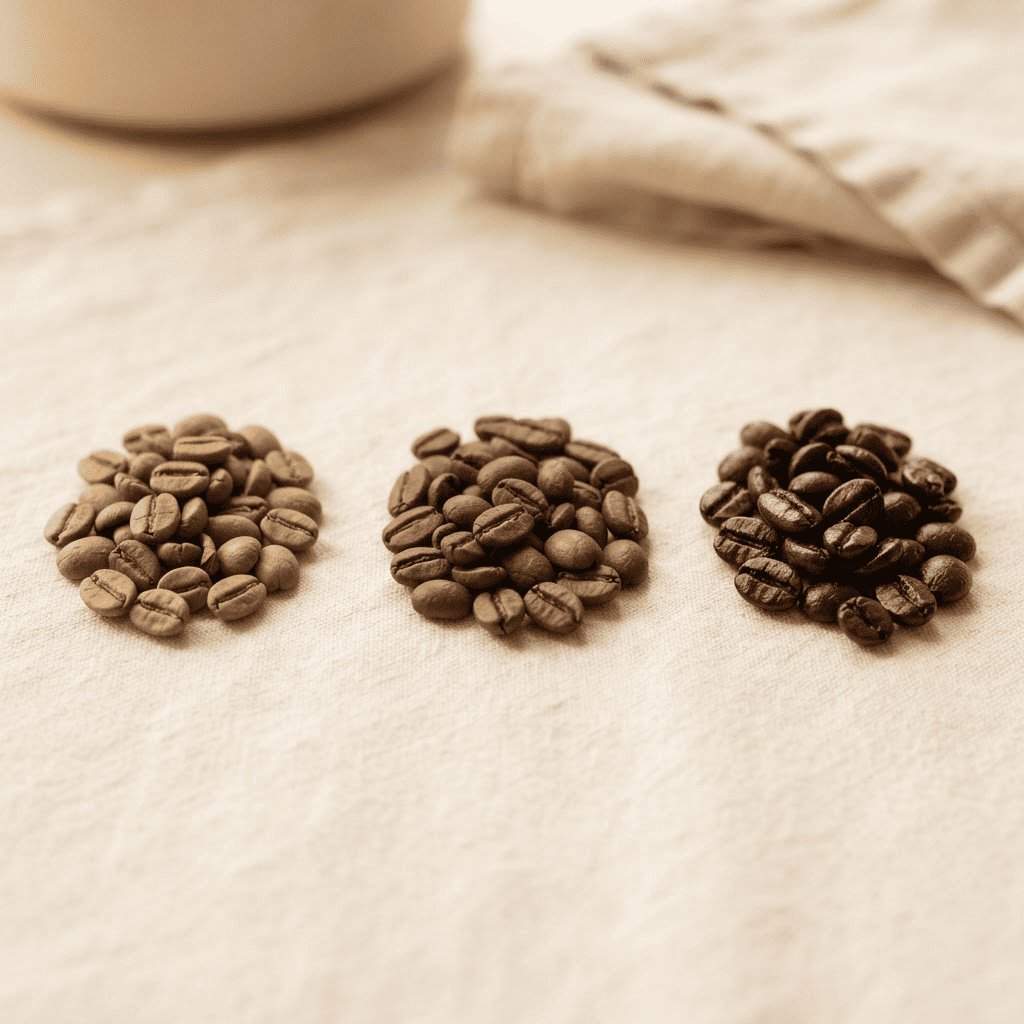
People ask “is coffee good for you?” for the same reason they ask if it is bad: mixed headlines. The honest middle: coffee is a complex plant beverage with caffeine and polyphenols. For many healthy adults, moderate intake looks compatible with — and sometimes associated with — better long-term outcomes. It is not a superfood miracle, and more is not always better.
Documented upsides people care about
- Alertness and reaction time: caffeine blocks adenosine receptors; that is the reliable, short-term benefit.
- Antioxidant polyphenols: coffee is a major source of these compounds in many Western diets.
- Type 2 diabetes: many cohort studies link regular coffee with lower risk (correlation, not a prescription).
- Liver health markers: observational data often favor coffee drinkers for certain liver outcomes.
- Parkinson’s disease: caffeine intake has been associated with lower risk in multiple studies.
- Everyday performance: better focus for tasks that reward wakefulness — if you are not overdosed into jitters.
What coffee does not magically do
Coffee will not cancel a poor sleep schedule, replace vegetables, or detox your liver overnight. “Bulletproof”-style claims and extreme fasting-plus-espresso protocols are marketing more often than medicine. Benefits in studies usually reflect habitual moderate drinking inside an otherwise normal lifestyle.
Brew style and additives change the picture
Black filter coffee keeps calories minimal. Paper filters also trap some cafestol and kahweol (compounds in coffee oils that can raise LDL cholesterol in sensitive people). Unfiltered methods — French press, boiled coffee, some espresso — let more of those oils through. Milk and sugar are fine in moderation; syrup-heavy drinks behave more like dessert.
Pro tip: If cholesterol is a concern and you drink a lot of unfiltered coffee, talk with your clinician — switching some cups to paper-filtered drip is a common practical tweak.
How to get the upsides with fewer downsides
- 1Stay near or under ~400 mg caffeine/day unless advised otherwise.
- 2Stop caffeine 8+ hours before bed if sleep is fragile (or earlier if you are a slow metabolizer).
- 3Prefer quality beans and clean water — stale oily coffee tastes worse and invites bigger sugar “fixes.”
- 4Pair coffee with food if empty-stomach cups cause reflux or nausea.
- 5Use our caffeine and half-life tools to see how your real drinks add up across the day.
Frequently asked questions
Is coffee good for you every morning?
For many adults, a morning coffee habit is compatible with good health — especially if it replaces sugary sodas and does not wreck sleep. Morning timing is usually better than late-day caffeine for sleep quality.
Does coffee have antioxidants?
Yes. Coffee contains polyphenols that act as antioxidants in the diet. That is one reason researchers study coffee beyond caffeine alone.
Is decaf still healthy?
Decaf keeps many of the plant compounds with far less caffeine, so it can be a smart swap if caffeine bothers you. Decaf is not completely caffeine-free (often a few milligrams per cup).
How many cups of coffee a day is healthy?
Many adults do well at 2–4 typical cups, staying under roughly 400 mg of caffeine. Cup size and brew strength matter more than the number printed on the mug.