Coffee Beans & Roast Education
Understand what you are drinking. Learn how roast level, origin, and freshness shape every cup — so you can shop and taste with confidence.
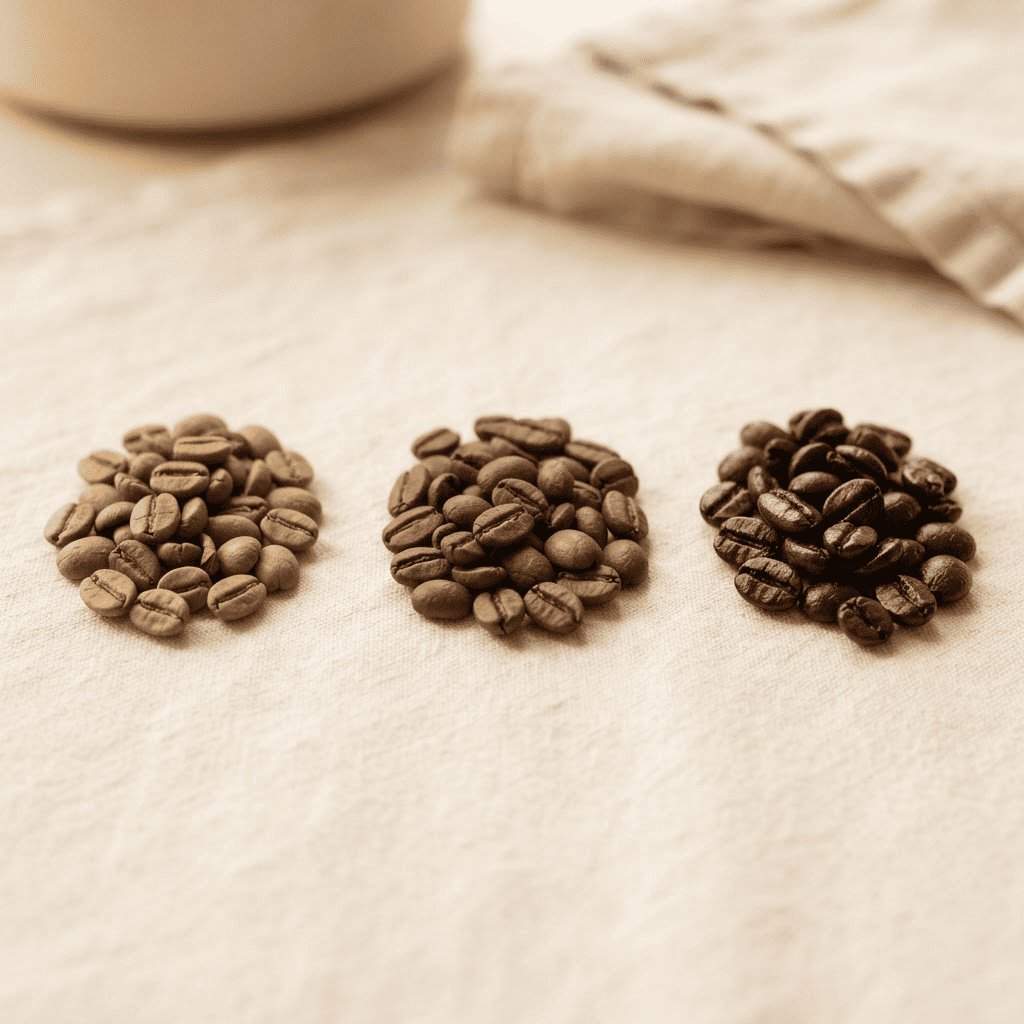 Roasting
Types of Coffee Roasts Explained — Light, Medium & Dark
The main types of coffee roasts are light, medium, and dark. Here is how each roast level changes flavor, acidity, and body.
14 min read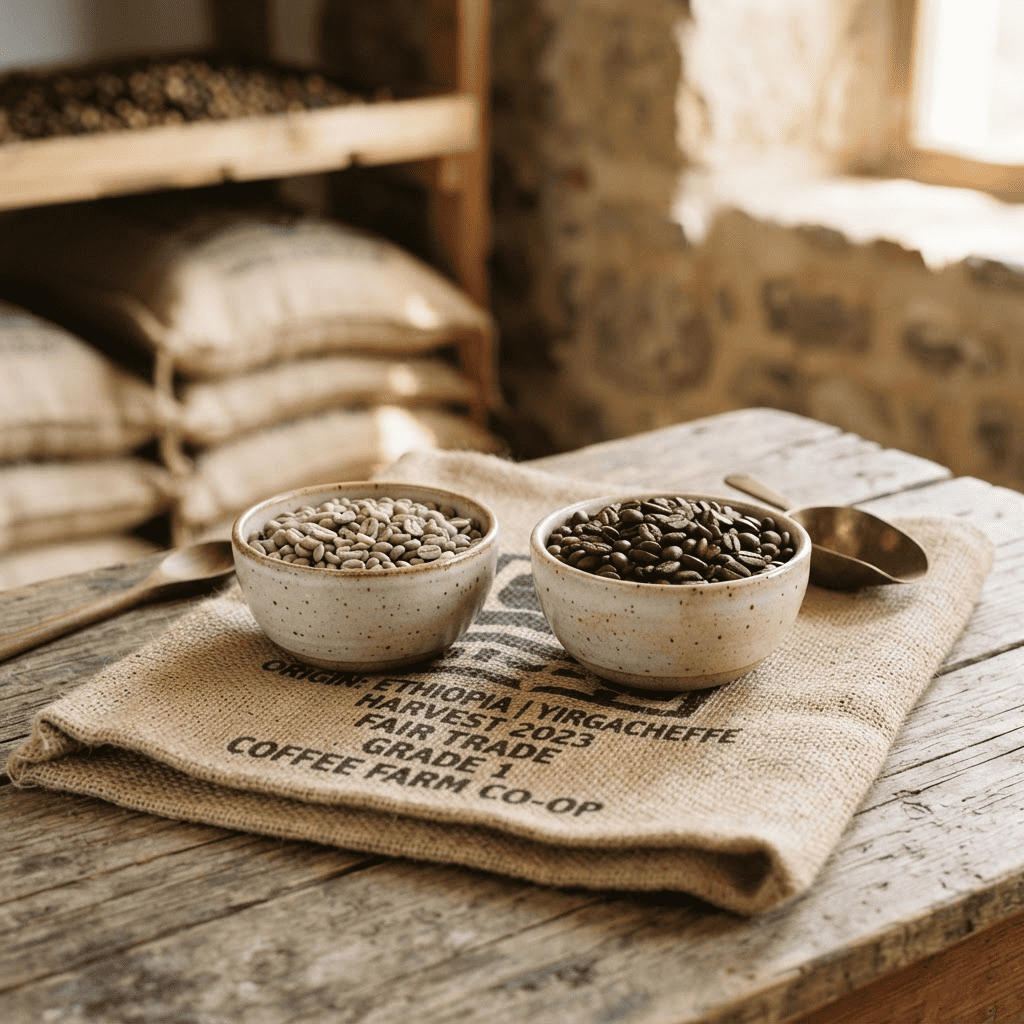 Origins
Coffee Bean Origins by Country — How Region Shapes Flavor
Why Ethiopian coffee tastes like blueberries and Sumatran tastes earthy — coffee bean origin by country, decoded.
12 min read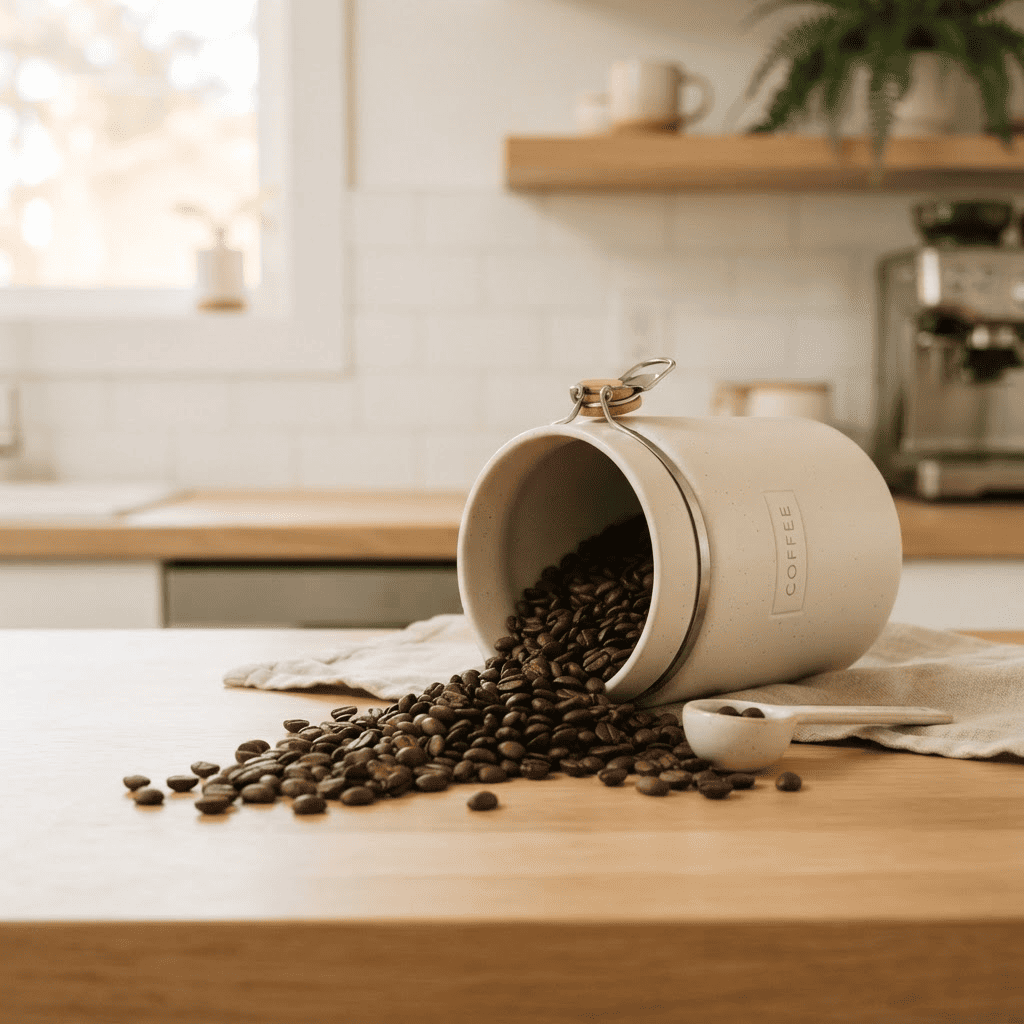 Freshness
Best Way to Store Coffee Beans (Keep Them Fresh)
Air, light, heat, and moisture kill freshness. The best way to store coffee beans is simple — and it is not the fridge.
5 min read Health
Is Black Coffee Bad for You? Benefits, Risks & When to Cut Back
Black coffee is not “bad” for most healthy adults — but dose, timing, and your body decide whether it helps or hurts.
10 min readHealthIs Coffee Good for You? Evidence-Based Benefits (and Limits)
Coffee can be part of a healthy routine for many adults — here is what the evidence actually supports, and what it does not.
9 min read Health
Does Coffee Dehydrate You? Caffeine, Fluid Balance & Myths
Coffee is a mild diuretic, but your morning mug still contributes to hydration for most regular drinkers.
6 min read Health
Coffee on an Empty Stomach: What Happens & How to Soften It
Empty-stomach coffee is fine for many people and rough for others — here is why, and how to make mornings gentler.
7 min read Health
How Much Coffee Is Too Much? Daily Limits by Situation
Cup counts lie — milligrams matter. Here is how to tell when coffee intake is too high for you.
8 min read Health
Coffee and Anxiety: Why Caffeine Can Spike Nerves (and What Helps)
Caffeine can mimic anxiety symptoms — here is how to tell the difference and dial coffee back without quitting cold turkey.
7 min readHow to buy beans with more confidence
Most people buy coffee by brand recognition or roast label alone, but those are blunt tools. Better buying decisions usually come from combining a few signals at once: roast date, origin, processing method, and whether the roaster tells you anything specific about the coffee beyond generic tasting notes. Freshness tells you whether the bag is even worth considering. Origin suggests the flavor family. Processing explains whether the cup will lean cleaner or fruitier. Roast level tells you how much of the bean\'s original character is likely to survive.
The three articles in this section work together for that reason. Roast education helps you choose the style you actually enjoy. Origin education helps you predict the flavor profile before you brew. Storage education protects the quality you paid for after the bag comes home. Taken together, they solve the biggest beginner mistake in coffee: buying decent beans and then losing most of their potential before they ever reach the cup.
Bean buying fundamentals
- Prioritize a roast date over a vague best-by date whenever possible.
- Buy whole beans unless you have no grinder; pre-ground coffee loses aroma fast.
- Match bean style to brew method instead of assuming one bag suits everything equally well.
- Store coffee for freshness, not display. Clear jars and warm countertops are a quality tax.
What this section covers better now
Thin educational pages often summarize a topic in a few sentences and leave the reader without enough detail to make a better decision. This section now does more than define terms. The roast guide explains how roast changes brew behavior, not just flavor. The origin guide explains how to interpret labels and compare coffees intelligently. The freshness guide covers how coffee actually stales and when freezing makes sense. That added depth gives each page a clearer purpose for readers and stronger differentiation for search engines.
Frequently asked questions
What coffee beans should beginners buy?
Most beginners do best with a freshly roasted medium-roast coffee from a reliable roaster. Medium roasts are easier to brew than very light roasts and less intense than dark roasts, which makes them a safer starting point while you learn what flavors you actually enjoy.
What is the difference between light, medium, and dark roast coffee?
Light roasts preserve more acidity, fruit, and floral character from the origin. Medium roasts balance origin flavor with caramelized sweetness. Dark roasts lean toward roast-driven notes like chocolate, smoke, and bitterness with lower acidity.
How long do coffee beans stay fresh after roasting?
Whole beans are usually at their best from about 4 days to 4 weeks after roasting, though some coffees hold up longer. Once ground, coffee loses aroma quickly, which is why grinding right before brewing matters so much.
Does coffee origin really change the taste?
Yes. Origin affects acidity, body, sweetness, and aroma because altitude, climate, soil, varietal, and processing all shape flavor. Ethiopian coffees often taste floral or fruity, while Brazilian coffees tend to be nuttier and lower in acidity.
Is black coffee bad for you?
For most healthy adults, moderate black coffee is not “bad” and is often linked with neutral-to-positive outcomes in research. Problems usually come from too much caffeine, late-day cups that wreck sleep, or stomach/anxiety sensitivity. See our black coffee health guide for details.
How much coffee is too much?
A common adult guideline is about 400 mg of caffeine per day — roughly three to four 8 oz cups, depending on brew strength. Large cold brews and multiple espresso drinks can exceed that faster than you think.