Coffee and Anxiety: Why Caffeine Can Spike Nerves (and What Helps)
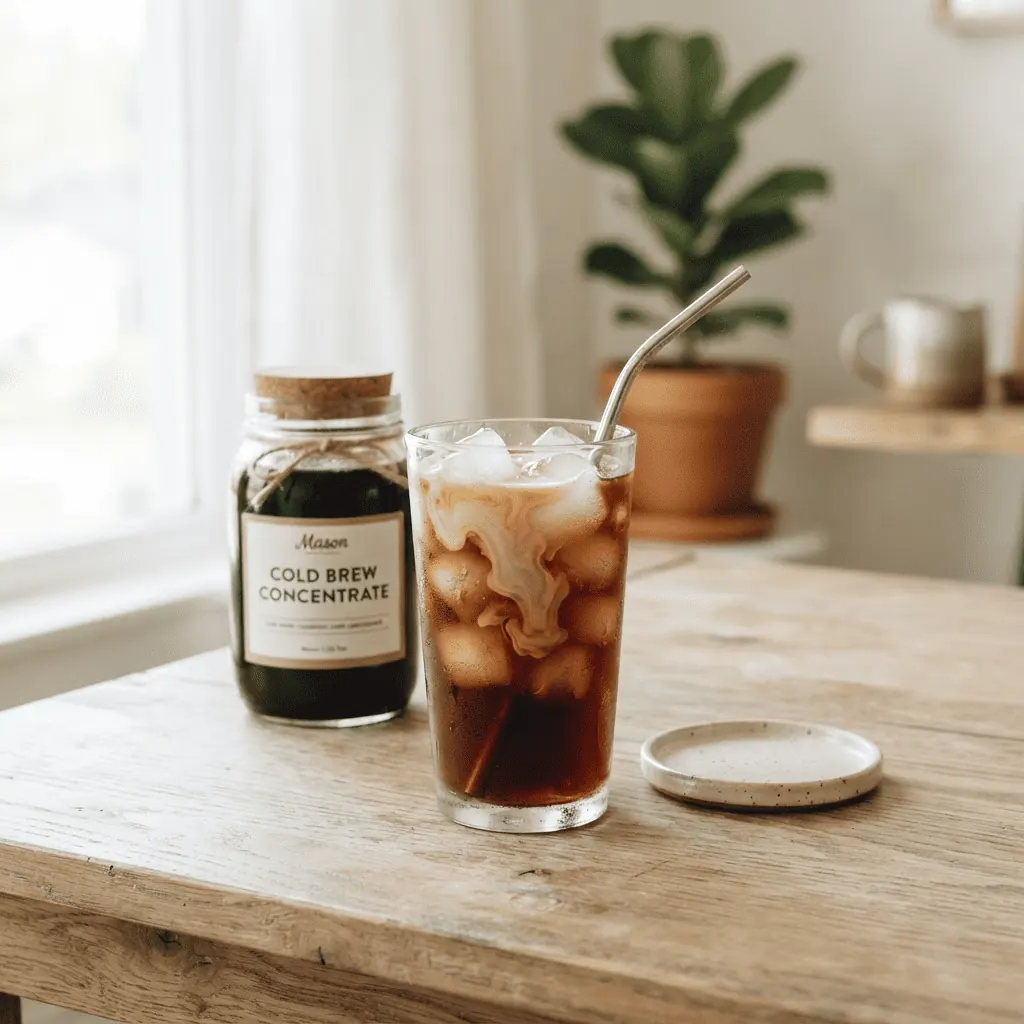
Does coffee cause anxiety? It can trigger or amplify anxious feelings in sensitive people because caffeine raises heart rate, sharpens alertness, and can cause tremor — the same body signals many brains read as danger. That does not mean coffee “creates” an anxiety disorder by itself, but it is a common and fixable aggravator.
Why coffee can feel like anxiety
Caffeine blocks adenosine (sleepiness) and increases catecholamine signaling. Result: more awake, sometimes more wired. If you already run hot on stress, a double espresso on no sleep is rocket fuel. Panic attacks and caffeine overstimulation can feel similar (racing heart, chest tightness, restlessness), which is why clinicians often ask about caffeine intake.
Who notices it most
- People with anxiety or panic disorders
- Slow caffeine metabolizers
- Anyone stacking coffee with energy drinks or pre-workout
- New or returning drinkers with low tolerance
- People drinking coffee late while sleep-deprived
Practical dials that help
- 1Cap daily caffeine and spread it — two smaller cups beat one massive cold brew for some people.
- 2Eat with coffee; empty-stomach hits feel sharper.
- 3Switch the afternoon cup to half-caf or decaf.
- 4Try a lower-caffeine method day (smaller espresso drink vs huge drip).
- 5Protect sleep; anxiety and caffeine interact viciously when you are exhausted.
- 6If cutting back, taper over 1–2 weeks to reduce withdrawal headaches.
Pro tip: Track one week: note coffee timing, approximate mg, sleep, and anxiety peaks. Patterns jump out faster than guessing.
When to get help beyond coffee tweaks
If anxiety is constant, panic attacks are frequent, or cutting caffeine does nothing, treat that as a mental-health and medical issue — not a brewing problem. Coffee adjustments are a lever, not therapy or medication.
Caffeine anxiety vs a panic attack
Caffeine overstimulation often peaks 30–90 minutes after a big dose: shaky hands, restlessness, “I need to walk it off.” Panic can include fear of dying, going crazy, or losing control, and it can happen with little caffeine. They overlap in the body. If cutting caffeine for two weeks barely changes attacks, you are not looking at a brewing problem.
A taper that usually beats cold turkey
- 1Write down every caffeinated drink for three days (size, not “a coffee”).
- 2Cut about 25% — smaller cups or one drink swapped to half-caf.
- 3Hold that for four to five days so withdrawal headaches settle.
- 4Repeat until mornings feel alert without the chest-tight first hour.
- 5Keep one enjoyable cup if you want the ritual; anxiety care can coexist with coffee.
Brewing choices that often feel calmer
- Paper-filtered drip instead of a huge unfiltered concentrate.
- Smaller espresso drinks rather than a 20 oz cold brew.
- Food first; see the empty-stomach guide.
- Last caffeine before mid-afternoon if sleep is fragile — poor sleep feeds anxiety tomorrow.
When coffee is not the main story
Nicotine, skipped meals, hanging over, thyroid issues, and some medications mimic or amplify the same shaky feeling. If you already drink one small morning coffee and still have daily panic, shrinking the cup will not be enough. Mention caffeine to a clinician so they do not assume you drink six energy drinks — and so they do not ignore a real anxiety disorder because you also like espresso.
Pro tip: Do not use more coffee to “push through” an anxious morning. That is how a 95 mg drip becomes a 300 mg spiral. Walk, water, food, then decide if you even want the second cup.
Frequently asked questions
Does coffee cause anxiety?
Caffeine can cause anxious symptoms or worsen existing anxiety, especially at high doses. It is a common trigger, but lasting anxiety disorders have broader causes and deserve proper care.
Can decaf still make you anxious?
Usually much less, because caffeine is the main driver. Decaf still has a little caffeine and the ritual can feel stimulating, but most people sensitive to coffee tolerate decaf far better.
How long until caffeine anxiety wears off?
Caffeine’s half-life is about 5–6 hours for many adults, so a big dose can affect you for much of the day. Our caffeine half-life calculator estimates when levels drop.
Should I quit coffee if I have anxiety?
Not automatically. Many people do better with a lower dose and earlier cutoff. If panic is frequent, get proper care and mention caffeine so your clinician can factor it in.
Is cold brew better for anxiety than espresso?
Not if the milligrams are higher. Cold brew can be calmer in acidity but worse in total caffeine. Compare serving size, not the word “cold.”
Shop whole-bean coffee on Amazon
Education first — then a bag that matches the roast style you just learned. Prices and roast dates change; check the listing before you buy.
- Check on AmazonBest overallMedium roastOften ~$30–40 / 2.2 lb
Kicking Horse Three Sisters (Medium Roast)
Organic medium roast with cocoa and stone-fruit notes — the easiest everyday bag while you learn your palate.
- Check on AmazonEssentialEspresso roastOften ~$20–28 / 2.2 lb
Lavazza Espresso 100% Arabica
All-Arabica medium roast for espresso, moka, or drip when you want a softer, less robusta-forward cup.
- Check on AmazonEssentialEspresso roastOften ~$25–35 / 2.2 lb
Lavazza Super Crema Whole Bean
Creamy medium espresso roast that dials easily on home machines — Arabica/Robusta blend with rich crema.
- Check on AmazonPremiumDark roastOften ~$16–20 / 16 oz
Death Wish Organic Dark Roast
High-caffeine Arabica + Robusta dark roast for bold cups — pair with the caffeine tracker so you do not overshoot sleep.
As an Amazon Associate, KickerCoffee may earn from qualifying purchases. That never changes which products we recommend.