How to Make a Cappuccino — Recipe, Dry vs Wet & Foam Ratio
How to make a cappuccino: small cup, thick foam cap, dry vs wet options — not a 16 oz latte with extra bubbles.
Updated November 26, 2026
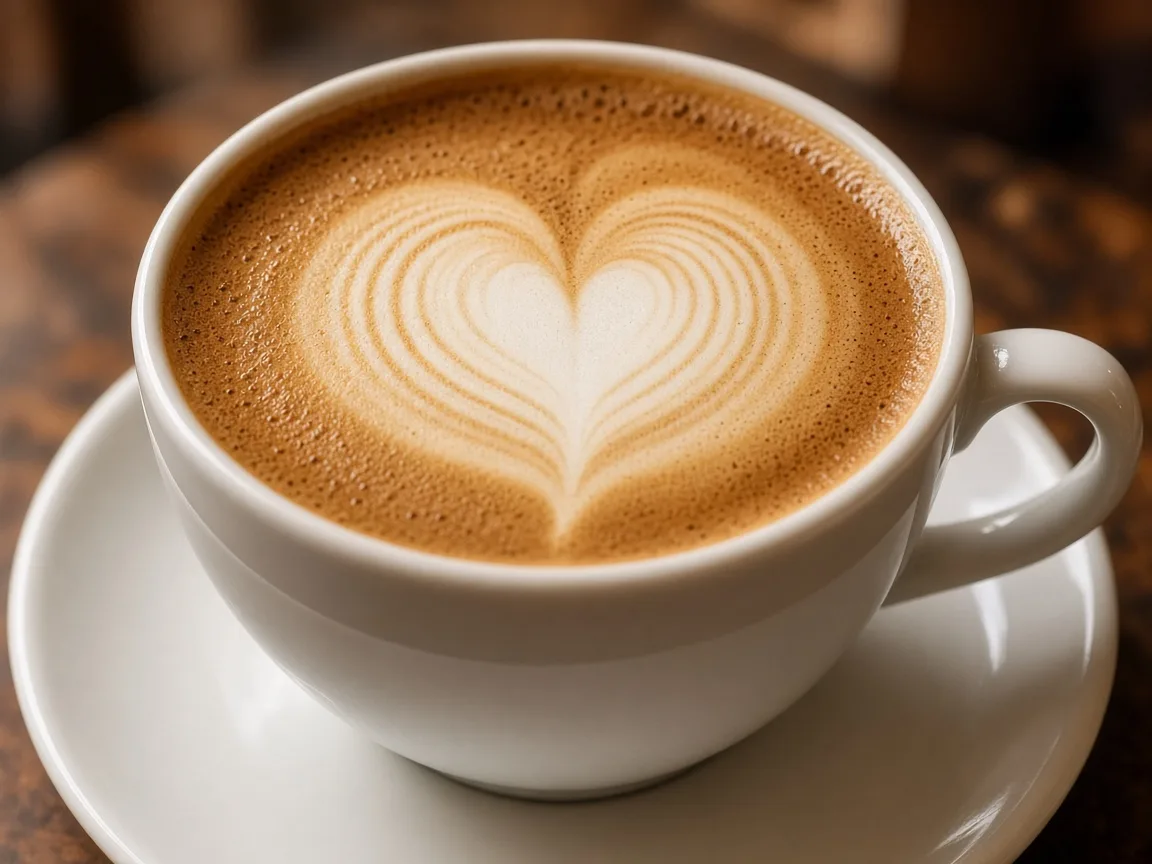
- Time
- 5 min
- Yield
- 1 cup (150–180 ml)
- Level
- Intermediate
“Cappuccino vs latte” is one of the most-searched drink comparisons because chains blurred the line. A cappuccino is a short, foamy espresso drink. If it arrives in a bucket with a thin skim of bubbles, you were sold a latte. This recipe is the home version that still tastes like coffee.
Ingredients
- 1–2 espresso shots (30–60 ml). A double in a 6 oz cup is the modern default
- About 120–150 ml whole milk (easiest foam)
- A 150–180 ml cappuccino cup, pre-warmed
Method
Warm the cup with hot water; dump it out.
Pull espresso into the cup.
Steam milk: stretch longer than a flat white — you want a foam layer you could spoon, not only glossy paint. Stop around 60–65°C.
Tap and swirl so foam and liquid milk are still connected, then pour. Hold back foam with a spoon if you want a defined white cap, then spoon foam on top.
You should see a distinct foam dome. Drink immediately; foam collapses as it sits.
Watch someone make it
Video by Rajiv Surendra on YouTube — helpful for technique; follow our written ratio if the amounts differ.
How to Make a Coffee-Shop Quality Cappuccino at Home Without a Fancy Machine · Rajiv Surendra
Dry vs wet cappuccino
“Dry vs wet cappuccino” is the search that shows people already know the drink name but not the foam dial. Same espresso, same small cup — the milk texture changes the drink.
Ask for dry or wet at a café; at home, change how long you stretch the milk.
| Style | Foam | Liquid milk | Taste / feel |
|---|---|---|---|
| Wet cappuccino | Thinner cap | More steamed milk | Creamier, closer to a small latte |
| Classic / balanced | Thick spoonable cap | About equal to foam | Airy first sip, coffee still clear |
| Dry cappuccino | Mostly foam | Very little liquid milk | Light, strong coffee taste; cools fast |
- Wet: stretch the milk briefly, then spin — more liquid, less dome. Easier to drink; good if dry foam feels chalky.
- Dry: keep the wand tip near the surface longer so you inject more air. Spoon a tall foam cap; less milk under it.
- Neither style belongs in a 12–20 oz cup. If the cup is huge, you made a latte with foam preferences — not a dry/wet cappuccino.
Pro tip: Ordering tip: “dry cappuccino” ≈ more foam, less milk. “Wet cappuccino” ≈ more milk, less foam. If the barista looks confused, say “extra foam” or “less foam” in a 6 oz cup.
Cappuccino ratio
The old 1:1:1 (espresso / milk / foam) is a teaching model, not a lab measurement. In practice: a 6 oz cup, a proper shot or double, and enough foam that the first sip is airy. Wet cappuccino has less foam; dry has more. Neither should fill a pint glass.
Cappuccino vs latte vs flat white
Cup size is the tell.
| Drink | Cup | Foam |
|---|---|---|
| Cappuccino | 5–6 oz | Thick cap, airy |
| Flat white | 5–6 oz | Thin microfoam, velvety, little dry cap |
| Latte | 8–12 oz+ | Thin layer, mostly steamed milk |
Steaming for foam, not paint
Keep the wand tip near the surface longer than you would for a flat white so you inject more air. Then spin to fold big bubbles in. If you only get soap bubbles, you stretched without spinning. If you get no foam, you buried the wand immediately. Whole dairy is the training-wheels milk; barista oat can work but collapses faster.
No steam wand
Heat milk to steaming, then French-press plunge rapidly 20–30 seconds, rest 15 seconds, spoon foam onto espresso and pour the rest. A handheld frother makes wetter foam — still a decent home cappuccino if the cup stays small. Microwave-and-jar-shake is messy but fine for one drink.
Calories and caffeine
A double-shot cappuccino is ~120 mg caffeine. Calories track milk volume: a true small cappuccino is often 80–120 kcal with whole milk — less than a 12 oz latte. Cocoa dust on top is optional and not a mocha.
Pro tip: If your “cappuccino” needs a sleeve and a 20-minute commute lid, it was a latte. Use a ceramic cup at home so you do not overfill.
Foam troubleshooting
- Big bubbles, no silk: you stretched too long without spinning. Pour out, rest 10 seconds, swirl harder next time.
- No cap: wand was buried the whole time. Listen for a paper-tear at the start.
- Burnt milk: too hot. Stop when the pitcher is uncomfortable to hold, not when it screams.
- Tastes like a latte: cup was 10+ oz. Buy a 6 oz cappuccino cup; it is the cheapest upgrade.
Traditional Italian vs café chain cappuccino
Italian cappuccino is a morning drink in a small cup — espresso with milk foam, not a dessert. US chains often serve 12–20 oz “cappuccinos” that are really lattes with extra foam. If you are searching for a Starbucks-style copycat, use more milk; if you want the classic, stay in a 150–180 ml cup and stop pouring when the foam dome forms.
When to drink it
Foam collapses as it cools, so a cappuccino is a sit-down five-minute drink. For a commute lid, make a flat white or latte instead. Pair practice sessions with the espresso ratio calculator so your shots are dialed before you blame the milk.
Tools & guides for this drink
Pair the recipe with a calculator or brewing guide when you want numbers or a better espresso base.
Frequently asked questions
How do you make a cappuccino?
Pull espresso into a 150–180 ml cup, steam milk with a longer stretch than a flat white so you get a thick foam cap, then pour and spoon foam on top. Traditional teaching ratio is about equal espresso, steamed milk, and foam.
What is a dry cappuccino?
A dry cappuccino has mostly foam and very little liquid steamed milk — strong coffee taste, airy texture, cools quickly. Stretch the milk longer near the surface, then spoon a tall foam dome over the espresso.
What is a wet cappuccino?
A wet cappuccino has more steamed milk and less dry foam — creamier, closer to a small latte, still in a 5–6 oz cup. Stretch briefly, then spin so the milk stays silkier.
What is the cappuccino ratio?
Roughly equal espresso, steamed milk, and foam in a 5–6 oz cup. Modern shops often use a double espresso. The drink should stay small.
What is the difference between a cappuccino and a latte?
Cappuccino is shorter and foamier. A latte is a longer milk drink with a thin foam layer. Same espresso can make both — the milk volume and texture change the name.
Wet vs dry cappuccino?
Wet means more steamed milk, less foam. Dry means more foam, less liquid milk. Dry is harder to drink and cools fast; wet is closer to a small latte.
Can you make a cappuccino with oat milk?
Use barista oat and keep the cup small. Foam will be less stable than dairy. Regular drinking oat milk usually will not cap properly.
Cappuccino vs flat white?
Both are small. A flat white has less dry foam and more velvety microfoam you can pour art with. A cappuccino has a thicker spoonable foam cap.
How do you make a cappuccino without a machine?
Brew strong Moka or AeroPress espresso-style coffee, heat milk, then froth with a French press plunge or handheld frother. Keep the cup 6 oz or smaller.
How many calories in a cappuccino?
A true small whole-milk cappuccino is often 80–120 kcal — less than a 12 oz latte because there is less milk. Foam is mostly air.