Oat Milk in Coffee: Best Oat Milk for Lattes & Why It Splits
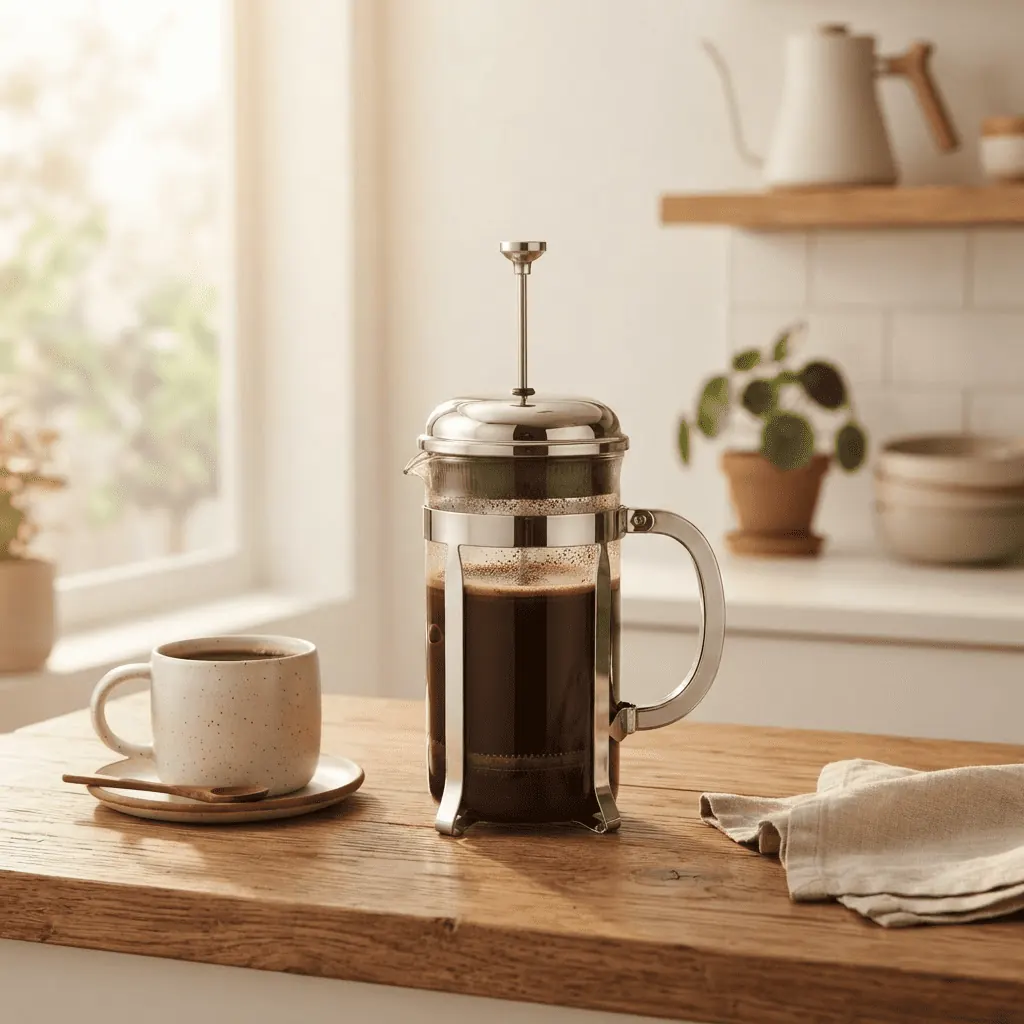
Oat milk is the plant milk that won cafés: it steams better than most almonds, tastes sweeter than soy for many people, and is everywhere on Google alongside flat whites and protein lattes. It is also the milk that mysteriously curdles in a perfectly good shot. The fix is chemistry plus buying the right formula — not “oat milk is bad.”
Why cafés default to oat
Barista oat milks are formulated with extra oil, acidity regulators, and sometimes gums so they stretch into microfoam and do not break the moment espresso hits. That is why a $5 latte can look glossy with oat while the same drink at home with a cheap original oat milk looks watery or grainy. You are not crazy; you bought a drinking-oat, not a steaming-oat.
Barista vs original vs unsweetened
Typical patterns — read your label.
| Type | Best for | Watch-outs |
|---|---|---|
| Barista | Lattes, flat whites, cappuccinos | Higher calories/fat; some brands taste oily |
| Original | Iced coffee, cereal, drinking | Splits in hot espresso; extra sweetness |
| Unsweetened | Calorie control, iced | Can taste cardboard; still may split if not barista |
| Extra creamy / full fat oat | Dessert lattes | Calories can match 2% dairy |
Why oat milk curdles in coffee
Espresso is hot and acidic. Oat proteins and starches can coagulate when pH drops and temperature spikes — especially in light-roast, high-acid shots. You see specks, slime, or a broken layer. Darker, lower-acid espresso and slightly cooler shots are gentler. Pouring espresso into the oat milk (instead of milk into a naked hot shot) buffers the hit. A pinch of baking soda is a café hack some people use; it flattens acidity and can taste soapy if you overdo it — better to cool the shot 20 seconds or switch roast.
- 1Buy barista oat milk if you steam.
- 2Let espresso sit 15–30 seconds or pull into a pre-warmed pitcher of oat milk.
- 3Do not boil oat milk; steam to ~55–65°C. Overheating splits it.
- 4If it still breaks, try a medium-dark espresso roast or a different barista brand — formulas are not interchangeable.
Calories and sugar vs dairy
Oat milk is not automatically lighter. Enzymes turn oat starch into maltose, so many cartons taste sweet and land around 120 kcal per cup — similar to 2% dairy, sometimes more than skim. A 12 oz oat latte can match or beat a dairy latte. Unsweetened barista lines help. If the goal is protein, oat is usually weak (~2–4 g per cup) versus dairy or soy; protein coffee with oat still needs powder.
How oat milk changes flavor
- Adds cereal, vanilla, and sweetness — can hide origin nuance in a light roast pour over.
- Pairs well with chocolatey medium espresso, pistachio-style syrups, and iced drinks.
- Can mute acidity that some people drink light roasts for — that is a feature if you hate sour lattes.
Home steaming without a wand
Heat barista oat milk gently, then use a handheld frother for 15–20 seconds. French-press pumping also works: warm milk, plunge rapidly to foam, rest 10 seconds, pour. Microwave-plus-jar-shake is messy but fine for iced oat lattes. Skip boiling.
Allergies, environment, and “is oat milk healthy”
Oat milk is a gluten-cross-contamination risk for some people with celiac unless certified. It is not a protein equivalent to dairy. Environmentally it generally beats dairy on land and many emissions metrics, with caveats by brand and farm. “Healthy” depends on the rest of the carton: added oils, sugar, and gums. If you want a plant latte that microfoams and you like the taste, barista oat is a reasonable choice — not a superfood.
Oat vs soy vs almond in coffee
Home steaming, not a moral ranking.
| Milk | Foam | Protein (per cup, typical) | Coffee behavior |
|---|---|---|---|
| Barista oat | Good if not overheated | ~2–4 g | Sweet cereal; can split in very acidic shots |
| Soy (barista if available) | Decent | ~6–8 g | Beanier flavor; some brands curdle too |
| Almond | Usually poor | ~1 g | Thin, nutty, splits easily |
| Dairy whole | Easiest microfoam | ~8 g | Classic flat white texture |
Iced oat lattes are easier than hot
Cold espresso or cold brew over ice plus oat milk skips the steam-split problem. Shake or stir; use original oat if you only drink iced. Save barista cartons for hot drinks. If an iced oat latte tastes watery, you under-dosed coffee — the milk is sweet enough already.
Storage and waste
- Refrigerate after opening; most barista oats last 7–10 days, not a month.
- Shake every time — oils separate and then your foam dies.
- Do not leave steamed leftovers in the pitcher from yesterday.
Frequently asked questions
What is the best oat milk for coffee?
A barista-labeled oat milk. Those formulas steam and resist splitting better than original drinking oat milk. Among barista cartons, pick the one whose flavor you like — they differ more than marketing admits.
Why does oat milk curdle in coffee?
Heat plus acidity from espresso. Use barista oat, slightly cooler shots, and pour espresso into the milk. Very light, bright espresso is the worst match for cheap original oat milk.
Is oat milk better than dairy in coffee?
It is better if you want a plant option that actually foams. Dairy still wins on protein and is often easier to steam. Calories can be similar.
Does oat milk have more sugar than milk?
Often yes, even when unsweetened is not on the label, because enzymes create sugars from starch. Check the nutrition panel per 240 ml.
Can you make a flat white with oat milk?
Yes with barista oat milk in a small cup. Regular oat milk usually will not hold microfoam, so the drink becomes a thin oat latte.
Is oat milk healthier than dairy in a latte?
Not automatically. Calories are often similar. Dairy usually has more protein. Choose based on taste, digestion, and whether you need a plant option — not a halo around the word oat.
Why is café oat milk better than mine at home?
Cafés buy barista formulas and steam to a controlled temperature. Grocery original oat plus boiling espresso is the usual homemade failure.