Best Gooseneck Kettles for Pour Over Coffee
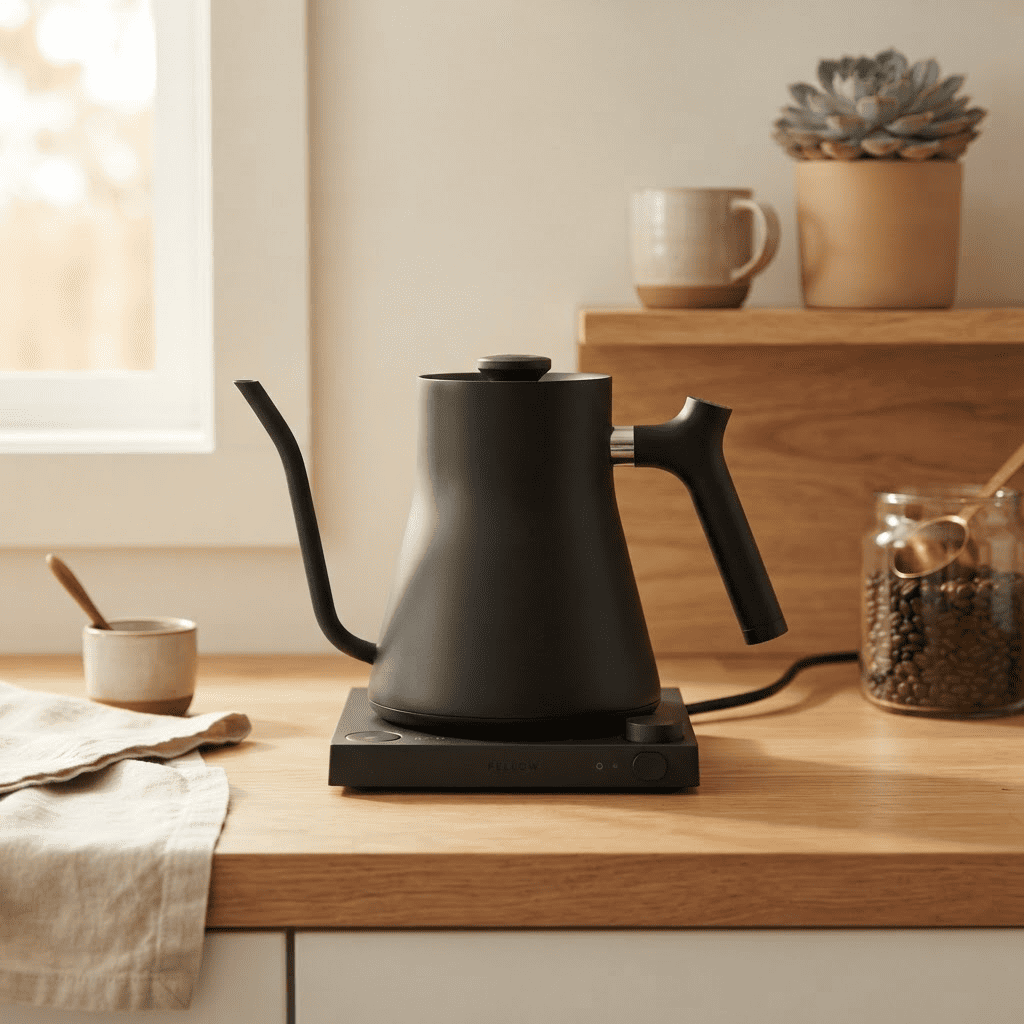
A gooseneck kettle gives you slow, precise control over where and how fast water hits the coffee bed. Variable-temperature models let you match water heat to roast level, which is a genuine flavor upgrade for light roasts.
What we like
- Precise flow control for even saturation
- Variable temperature models suit any roast
- Also great for tea
Keep in mind
- Electric versions cost more
- Another countertop appliance
What to look for in a gooseneck kettle
- A thin, tapered gooseneck spout for a slow, controllable stream
- Variable temperature control — ideally adjustable to the degree
- A hold/keep-warm function for back-to-back brews or long pour sessions
- A comfortable, well-balanced handle with a heat-resistant grip
- At least 600 ml capacity (1 liter is more practical for larger brews)
Does temperature actually matter?
Yes — significantly for light roasts. Light roasts contain more undeveloped aromatic compounds that need higher water temperatures (93–96°C) to extract fully. Brewing them with water that is too cool produces a grassy, sour, underdeveloped cup. Medium and dark roasts are more forgiving and often taste better slightly cooler (88–92°C) to avoid bitterness. Variable temperature lets you match the roast, which is a real flavor upgrade.
Gooseneck vs standard kettle
A standard kettle pours in a wide, fast stream that disturbs the coffee bed, causes uneven saturation, and makes the pour weight hard to control. A gooseneck lets you pour slowly in a spiral pattern that saturates grounds evenly — the core technique behind good pour over. It sounds minor until you compare two cups side by side.
Pro tip: If you brew pour over more than a few times per week, a variable-temperature electric gooseneck is one of the highest-value gear upgrades you can make for under $100.
Frequently asked questions
Do I really need a gooseneck kettle for pour over coffee?
If you want repeatable pour over results, it helps a lot. A gooseneck kettle gives you much better control over flow rate and where the water lands, which improves saturation and reduces channeling. You can make coffee with a regular kettle, but it is harder to be precise.
Is variable temperature worth paying for in a coffee kettle?
Usually yes, especially if you brew different roast levels. Light roasts benefit from hotter water, while darker roasts often taste smoother a few degrees cooler. Variable temperature also saves time if you brew coffee and tea from the same kettle.
What size gooseneck kettle is best for home brewing?
Around 600 ml to 1 liter is the sweet spot for most home brewers. Smaller kettles are nimble for single cups, while 1-liter models are more practical if you brew larger V60s, Chemex batches, or multiple drinks back to back.
Can I use a stovetop gooseneck kettle instead of an electric one?
Absolutely. A stovetop gooseneck still gives you the pouring control that matters most. Electric kettles mainly add speed, convenience, and precise temperature control.
Ready to buy?
We keep an up-to-date list of current recommendations and prices. Recommended picks and purchase links will appear here.
View recommendations